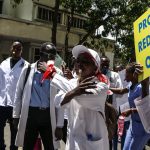









Across many African countries, hospitals are struggling to function at full capacity, not because of a lack of patients, but because there are simply not enough doctors, nurses, and trained health professionals to treat them. This shortage is not new, but in recent years, it has reached a critical point. As wealthier countries actively recruit healthcare workers to fill their own staffing gaps, Africa is losing some of its most skilled professionals at a time when they are needed the most.
This is not just a story about migration or job opportunities. It is deeply connected to history, particularly the legacy of colonial systems that shaped education, economies, and healthcare structures across the continent. The result is a pattern that continues to repeat itself: African nations invest in training healthcare workers, only to see many of them leave for better pay, safer working conditions, and more stable futures abroad.
Understanding why this is happening requires looking beyond the present moment and examining the deeper roots of the issue.
The Scale of the Health Worker Shortage

The shortage of healthcare workers in Africa is severe and well documented. According to global health organizations, the continent carries about 24 percent of the world’s disease burden but has only around 3 percent of the global health workforce. This imbalance puts immense pressure on already fragile health systems.
In many rural areas, it is not uncommon for a single doctor to serve thousands of patients. Nurses often work long shifts with limited resources, and essential services are frequently delayed or unavailable. In some regions, basic medical care becomes a luxury rather than a right.
The COVID 19 pandemic exposed these weaknesses even further. Hospitals were overwhelmed, and healthcare workers faced burnout, lack of protective equipment, and emotional strain. Many professionals began to reconsider their future, and for some, migration became the only viable option.
Why Health Workers Are Leaving
At first glance, the reasons for this migration seem straightforward. Healthcare workers leave Africa in search of better salaries, improved working conditions, and access to advanced technology. However, the reality is more complex.
Economic Pressures
In many African countries, healthcare professionals are underpaid compared to their counterparts in Europe, North America, or the Middle East. Even experienced doctors may struggle to earn a stable income that reflects their skills and responsibilities.
Working Conditions
Hospitals often face shortages of essential equipment, medicines, and infrastructure. Imagine being trained to save lives but lacking the tools to do so effectively. Over time, this can lead to frustration and professional dissatisfaction.
Career Growth Opportunities
Opportunities for specialization, research, and advanced training are often limited. In contrast, developed countries offer clear career paths, access to cutting edge technologies, and exposure to global medical networks.
Safety and Stability
Political instability, economic uncertainty, and social challenges also play a role. For many professionals, moving abroad is not just about career growth but also about securing a safer future for themselves and their families.
The Colonial Roots of the Crisis
To fully understand why Africa faces such a severe shortage of health workers, it is important to look at the historical context.
Education Systems Designed for Extraction
During colonial rule, education systems in many African countries were designed to serve colonial administrations rather than local populations. Training programs often focused on producing a limited number of skilled workers to support colonial interests.
This created a structural imbalance that continues today. Many countries still lack sufficient medical schools, training facilities, and research institutions to meet their own needs.
Economic Structures That Favor Export
Colonial economies were built around exporting raw materials and labor. This pattern has persisted in different forms, including the export of skilled labor. Healthcare workers are now part of a global labor market where wealthier nations benefit from the investment made by poorer countries.
Language and Certification Systems
Many African countries use European languages and follow Western medical education standards. While this can be beneficial in terms of global recognition, it also makes it easier for healthcare workers to migrate and integrate into foreign systems.
Dependency on External Support
Colonial history also contributed to long term dependency on foreign aid and expertise. This has sometimes limited the development of self sufficient healthcare systems, making it harder to retain local talent.
The Role of Wealthier Nations
It is impossible to ignore the role that developed countries play in this situation. Many of them face their own healthcare staffing shortages due to aging populations and increased demand for services. To address this, they actively recruit health workers from abroad, including Africa.
Ethical Questions
This raises important ethical questions. Is it fair for wealthy nations to benefit from professionals trained in countries that already face shortages? Some argue that this practice, often called “brain drain,” worsens global inequalities.
Recruitment Practices
In some cases, recruitment is organized and systematic. Agencies target African countries with aggressive hiring campaigns, offering attractive salaries and relocation packages. While this benefits individual workers, it can weaken local healthcare systems.
Global Responsibility
There is growing recognition that addressing this issue requires global cooperation. Some countries have introduced ethical recruitment guidelines, but enforcement remains inconsistent.
The Human Impact
Behind the statistics are real people and real stories.
In many communities, the loss of healthcare workers means longer waiting times, reduced access to care, and poorer health outcomes. For patients with chronic conditions or those in emergency situations, these delays can be life threatening.
For the workers themselves, the decision to leave is often difficult. It involves leaving behind family, culture, and a sense of belonging. Many professionals express a desire to contribute to their home countries but feel constrained by the lack of opportunities.
Can Technology Help Bridge the Gap
Technology is often presented as a solution to healthcare challenges, and it does have potential.
Telemedicine
Telemedicine can connect patients in remote areas with specialists in urban centers or even abroad. This can help reduce the impact of worker shortages in certain contexts.
Digital Training
Online education platforms can expand access to medical training and continuous professional development. This may help retain workers by providing opportunities for growth without requiring relocation.
Limitations
However, technology is not a complete solution. It cannot replace the need for trained professionals on the ground. Infrastructure challenges, such as limited internet access and बिजली supply issues, also limit its effectiveness in some regions.
What Can Be Done
Addressing the loss of healthcare workers in Africa requires a multi layered approach.
Investing in Local Systems
Governments need to prioritize healthcare funding, improve working conditions, and ensure that professionals are adequately compensated. Building strong, resilient systems can make staying more attractive.
Expanding Training Capacity
Increasing the number of medical schools and training programs is essential. Partnerships with international institutions can help, but they should focus on building local capacity rather than encouraging migration.
Retention Strategies
Providing clear career paths, opportunities for specialization, and supportive work environments can help retain talent. Recognition and respect for healthcare workers also play an important role.
Ethical Recruitment Policies
Wealthier nations should adopt and enforce ethical recruitment practices. This may include agreements to limit active recruitment from countries with critical shortages or to provide compensation for training costs.
Diaspora Engagement
Many African healthcare professionals living abroad are willing to contribute to their home countries through short term missions, knowledge sharing, or remote support. Creating structured programs can harness this potential.
A Turning Point for Global Health
The issue of healthcare worker migration is not just an African problem. It is a global challenge that reflects broader inequalities in wealth, opportunity, and access to resources.
If current trends continue, the gap between countries with strong healthcare systems and those without will only widen. This has implications for global health security, as seen during pandemics where weaknesses in one region can affect the entire world.
At the same time, there is an opportunity to rethink how the global healthcare workforce is managed. Collaboration, fairness, and long term planning can help create a more balanced system.
Conclusion
Africa’s loss of healthcare workers is a complex issue with deep historical roots and far reaching consequences. While individual migration decisions are driven by understandable factors such as better pay and working conditions, the collective impact is significant.
Addressing this crisis requires more than short term fixes. It demands a commitment to building strong local healthcare systems, addressing historical inequalities, and fostering global cooperation.
The question is not whether healthcare workers should have the freedom to seek better opportunities. They should. The real challenge is creating conditions where staying is just as attractive as leaving.
Until that balance is achieved, Africa will continue to lose the very people it needs most to build a healthier future.