








Understanding your body during early pregnancy can feel both exciting and confusing. One moment you are tracking ovulation, and the next you are wondering when implantation might happen. This is where an egg implantation calculator becomes helpful. It gives you a rough estimate of when a fertilized egg attaches to the uterus, which is a key step in pregnancy.
If you are trying to conceive or simply curious about how pregnancy begins, learning about implantation and how calculators estimate it can give you clarity and peace of mind.
What Is Egg Implantation
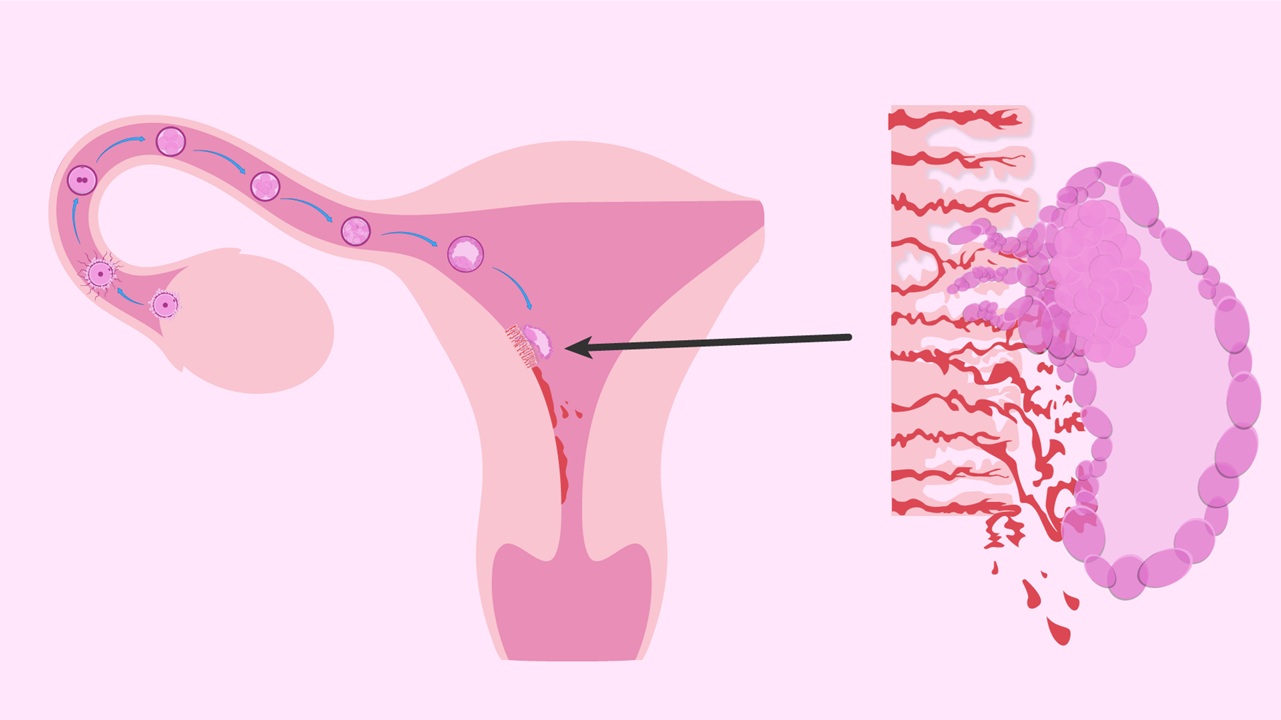
Egg implantation happens when a fertilized egg attaches itself to the lining of the uterus. This step is essential because pregnancy cannot continue without successful implantation.
After ovulation, the egg travels through the fallopian tube. If it meets sperm, fertilization occurs. The fertilized egg then becomes a blastocyst and moves toward the uterus. Once it reaches the uterine lining, it embeds itself and begins to grow.
This process usually occurs within a specific window, not immediately after fertilization. That delay is what makes implantation calculators useful.
What Is an Egg Implantation Calculator
An egg implantation calculator is a simple tool designed to estimate when implantation is likely to occur based on your ovulation date or last menstrual period.
It does not confirm pregnancy. Instead, it predicts a time frame when implantation might happen, helping you understand when early pregnancy signs could begin or when it is best to take a pregnancy test.
These calculators are especially useful for people tracking fertility or planning pregnancy because timing plays a crucial role in conception.
How Egg Implantation Calculators Work
Most implantation calculators use one of two inputs:
First is your ovulation date. If you know exactly when you ovulated, the calculator adds a few days to estimate implantation.
Second is your last menstrual period. If ovulation is not known, the calculator assumes ovulation occurs around the middle of your cycle and estimates from there.
In general, implantation occurs about 6 to 10 days after ovulation. So the calculator simply adds this range to your ovulation day.
For example, if you ovulated on the 10th of the month, implantation might occur between the 16th and 20th.
This range is important because every body is slightly different. Some people implant earlier, while others may implant later within the window.
Why Timing of Implantation Matters
Implantation is the moment when pregnancy officially begins. Before this stage, even if fertilization has occurred, the body has not yet recognized a pregnancy.
Once implantation happens, the body starts producing a hormone called hCG. This hormone is what pregnancy tests detect.
That is why taking a pregnancy test too early can give a negative result even if you are pregnant. The body simply has not produced enough hCG yet.
Understanding implantation timing helps you avoid unnecessary stress and gives you a better idea of when to test.
Typical Implantation Timeline
The timeline from ovulation to implantation follows a fairly predictable pattern:
Ovulation occurs and the egg is released
Fertilization may happen within 24 hours
The fertilized egg travels through the fallopian tube
Cell division begins as it moves toward the uterus
Implantation occurs around 6 to 10 days later
In most cases, implantation happens closer to day 8 or 9 after ovulation, though variation is completely normal.
Signs of Implantation
Some people notice subtle signs during implantation, while others do not feel anything at all. Both experiences are completely normal.
Possible signs include:
Light spotting or implantation bleeding
Mild cramping in the lower abdomen
Slight rise in body temperature
Breast tenderness
Fatigue
Implantation bleeding is often one of the most discussed signs. It is usually lighter than a normal period and may appear as light pink or brown spotting.
However, not everyone experiences this, so its absence does not mean implantation did not occur.
Implantation Bleeding vs Period
It is easy to confuse implantation bleeding with a light period. There are a few differences that may help you tell them apart.
Implantation bleeding is usually lighter in flow and shorter in duration. It often lasts a few hours to a couple of days, while a period tends to be heavier and lasts longer.
The color can also differ. Implantation bleeding is often pink or brown, while menstrual blood is typically bright or dark red.
Still, these are general patterns, not strict rules. If you are unsure, tracking your cycle and using an implantation calculator can provide better insight.
When to Take a Pregnancy Test
One of the most common questions is when to take a pregnancy test after implantation.
Since hCG production begins after implantation, it takes a few days for hormone levels to rise enough to be detected.
Most experts recommend waiting at least a few days after the expected implantation window. For the most accurate result, testing after a missed period is ideal.
Testing too early often leads to false negatives, which can be frustrating and misleading.
Accuracy of Egg Implantation Calculators
It is important to understand that implantation calculators provide estimates, not exact predictions.
Several factors can influence implantation timing:
Cycle length variations
Irregular ovulation
Hormonal changes
Individual body differences
Because of this, the calculator should be used as a guide rather than a precise tool.
If you are tracking fertility seriously, combining a calculator with ovulation tracking methods such as basal body temperature or ovulation predictor kits can improve accuracy.
Who Should Use an Implantation Calculator
An egg implantation calculator can be useful for a wide range of people.
Those trying to conceive can use it to understand their fertility window and manage expectations.
People undergoing fertility treatments may use it alongside medical advice to track progress.
Even those who are simply curious about how pregnancy works can benefit from understanding implantation timing.
It turns a complex biological process into something easier to follow.
Tips for More Accurate Tracking
If you want to get the most out of an implantation calculator, consider combining it with other tracking methods.
Track your menstrual cycle consistently
Monitor ovulation using test kits
Keep a record of symptoms and body changes
Use a calendar or app to log key dates
The more data you have, the more accurate your estimates will become over time.
Common Misconceptions About Implantation
There are many myths surrounding implantation, and clearing them up can help reduce confusion.
Implantation does not happen immediately after intercourse. There is always a delay due to fertilization and travel time.
Not everyone experiences implantation bleeding or symptoms. Many pregnancies begin without noticeable signs.
A negative pregnancy test does not always mean you are not pregnant. Timing plays a huge role.
Understanding these points helps set realistic expectations and reduces unnecessary worry.
Emotional Side of Waiting for Implantation
The period between ovulation and implantation is often called the waiting phase. It can feel long and uncertain, especially if you are hoping for a positive result.
It is common to analyze every small symptom and wonder if it means something.
During this time, focusing on routine, staying active, and avoiding excessive stress can help. While it is easier said than done, giving yourself mental space can make the process feel less overwhelming.
When to Seek Medical Advice
While implantation calculators are helpful, there are times when professional guidance is important.
If you have been trying to conceive for an extended period without success, it may be worth consulting a healthcare provider.
Irregular cycles, severe pain, or unusual bleeding are also reasons to seek advice.
A medical professional can provide personalized guidance that goes beyond what any calculator can offer.
How Technology Is Improving Fertility Tracking
Modern tools have made fertility tracking more accessible than ever.
Apps, wearable devices, and online calculators now work together to provide better insights into reproductive health.
Many tools combine cycle tracking with data analysis to predict ovulation and implantation windows more accurately.
While these tools are not perfect, they are improving quickly and making it easier for people to understand their bodies.
Final Thoughts
An egg implantation calculator is a simple yet powerful tool for anyone interested in understanding early pregnancy. It helps estimate when implantation might occur, giving you a clearer idea of what is happening inside your body.
While it cannot guarantee accuracy, it provides a useful timeline that can guide your expectations and decisions.
The key is to use it as part of a broader approach that includes tracking, awareness, and patience. Every body is different, and the journey to pregnancy is rarely identical for everyone.