








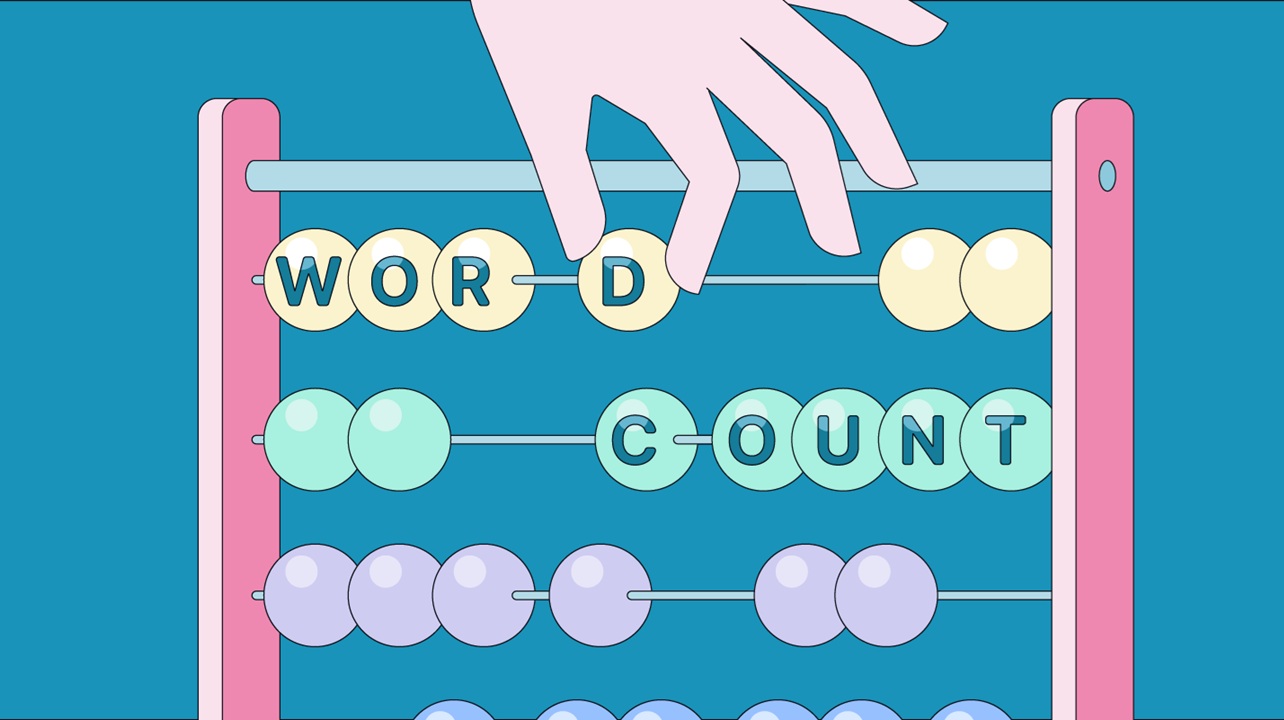
Counting words and sentences might sound like a simple task at first, but anyone who writes regularly knows it can quickly become confusing. Whether you are working on a blog post, academic assignment, social media caption, or professional report, accuracy matters. A few extra words or a missed sentence can affect readability, SEO performance, and even grading standards.
Over time, writers have moved from manual counting methods to more advanced digital tools. Yet, the challenge remains the same: how do you ensure your word and sentence count is truly accurate without wasting time?
This guide walks through the most reliable methods, both manual and automated, along with practical insights that writers actually use in real life.
Why Accurate Word and Sentence Counting Matters
Before diving into the methods, it helps to understand why this process is important.
For students, word limits are often strict. Going over or under the required count can lead to marks being deducted. For bloggers and SEO writers, word count directly affects search rankings. Longer, well structured content tends to perform better, but only when it stays relevant and readable.
Sentence count also plays a critical role. Shorter sentences improve clarity, while longer ones can add depth when used properly. Knowing how many sentences you have helps maintain a balanced writing style.
Editors and proofreaders rely heavily on these counts as well. It allows them to estimate reading time, check consistency, and ensure the content flows naturally.
Manual Counting Methods That Still Work
Even in the age of automation, manual counting has its place. It may not be the fastest method, but it helps you understand your writing at a deeper level.
Counting Words by Hand
The simplest approach is to count each word one by one. This method is useful for short paragraphs or when verifying a tool’s accuracy.
A quicker variation is grouping words. For example, you can count in sets of five or ten words and then multiply. This reduces effort while maintaining accuracy.
Writers who practice this method often notice patterns in their writing, such as overusing certain words or writing sentences that are too long.
Counting Sentences Manually
To count sentences, look for punctuation marks like periods, question marks, and exclamation points. Each of these usually indicates the end of a sentence.
However, things get tricky with abbreviations like “e.g.” or “Dr.” These do not end sentences, so careful reading is required.
Manual sentence counting helps you identify run on sentences and overly complex structures. It forces you to slow down and actually read what you have written.
Using Built In Tools for Quick Results
Most modern writing platforms come with built in word and sentence counters. These tools are fast, convenient, and usually accurate enough for everyday use.
Microsoft Word
Microsoft Word displays word count at the bottom of the screen. By clicking on it, you can also see the number of characters, paragraphs, and lines.
It updates in real time, which makes it ideal for tracking progress as you write.
Google Docs
Google Docs offers a similar feature. You can access it through the Tools menu or use a shortcut to view word and sentence counts instantly.
One advantage of Google Docs is its accessibility. You can check your counts from any device with an internet connection.
Notes and Mobile Apps
Many mobile note taking apps also include basic word count features. These are useful when you are writing on the go and need quick insights.
Online Word and Sentence Counters
If you need more detailed analysis, online tools are the way to go. They are designed specifically for counting and often provide additional metrics.
Some tools highlight sentences, calculate reading time, and even detect grammar issues. This makes them especially useful for bloggers and content creators.
Popular features include:
- Real time word and sentence tracking
- Keyword density analysis
- Readability scores
- Character count with and without spaces
These tools are ideal for SEO writing, where every detail matters.
Accuracy Challenges You Should Know
Even the best tools are not perfect. There are situations where counts can vary slightly depending on the method used.
Hyphenated Words
Some tools count hyphenated words as one word, while others count them as two. This can lead to inconsistencies.
Numbers and Symbols
Numbers, dates, and symbols may be counted differently depending on the platform.
Abbreviations
As mentioned earlier, abbreviations can confuse sentence counters. Automated tools may incorrectly treat them as sentence endings.
Formatting Issues
Copy pasting text from different sources can sometimes affect counts. Hidden formatting or extra spaces may lead to incorrect results.
Being aware of these issues helps you double check your work when accuracy is critical.
Best Practices for Reliable Counting
To get the most accurate results, combine multiple methods instead of relying on just one.
Start with a built in tool like Google Docs or Word. Then, verify your count using an online counter if needed. For important documents, a quick manual review can help catch any errors.
It also helps to clean your text before counting. Remove extra spaces, fix formatting issues, and ensure punctuation is correct.
Consistency is key. Use the same tool or method throughout a project to avoid discrepancies.
Tips from Real Writers
Writers who deal with word limits regularly have developed their own strategies over time.
Some prefer writing freely first and then editing down to meet the required count. Others aim for a target range from the beginning to save time later.
A common trick is to check sentence length while counting. If a sentence feels too long, breaking it into two can improve readability and increase sentence count naturally.
Another practical tip is to review your content out loud. This helps identify awkward sentences that tools might not catch.
When to Focus More on Quality Than Count
While counting is important, it should not come at the expense of quality. A perfectly counted article that lacks clarity or value will not perform well.
Search engines today prioritize user experience. This means your content should answer questions clearly, provide useful information, and keep readers engaged.
Instead of chasing a specific number, focus on delivering complete and meaningful content. Use word and sentence counts as guidelines, not strict rules.
Choosing the Right Method for Your Needs
The best method depends on what you are working on.
For quick tasks, built in tools are more than enough. For detailed writing projects, online counters provide better insights. And for final checks, manual review ensures accuracy.
Students, bloggers, editors, and professionals all have different needs, but the goal remains the same: clear, accurate, and effective writing.
Final Thoughts
Counting words and sentences accurately is more than just a technical step in writing. It is part of the process that helps refine your content and improve its impact.
With the right combination of tools and techniques, you can save time while maintaining precision. Whether you prefer manual methods or advanced digital tools, understanding how they work gives you better control over your writing.