








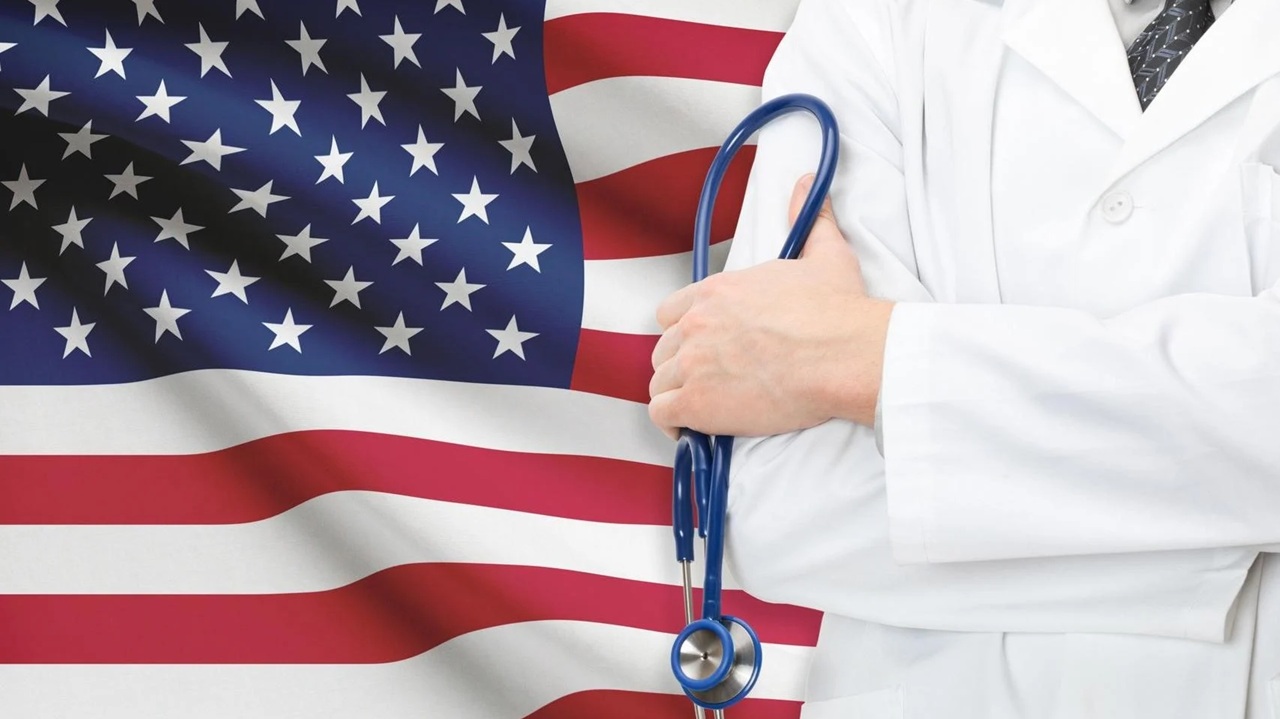
In a world where health challenges no longer respect borders, collaboration between nations has become more than just a diplomatic gesture. It is a necessity. The recent visit of a Health Minister to the United States highlights how countries are actively working together to strengthen healthcare systems, share knowledge, and prepare for future challenges.
This visit is not just about formal meetings or policy discussions. It reflects a deeper shift toward global cooperation in healthcare, where governments recognize that solving complex medical issues requires collective effort, shared expertise, and mutual trust.
Why Global Healthcare Partnerships Matter

Healthcare has evolved rapidly over the past decade. From emerging infectious diseases to the rising burden of chronic illnesses, countries face challenges that are often interconnected. A virus that begins in one region can quickly spread worldwide. Similarly, breakthroughs in medical research can benefit patients across continents.
This is where global partnerships come into play. When countries collaborate, they gain access to:
- Advanced medical research and technology
- Shared data and public health insights
- Training and development opportunities for healthcare professionals
- Faster response mechanisms during health emergencies
The Health Minister’s US visit is a clear example of how nations are prioritizing these partnerships to create stronger and more resilient healthcare systems.
Key Objectives of the US Visit
Every high level visit carries a set of goals, and this one is no different. The Health Minister’s agenda focused on multiple areas that directly impact both national and global health outcomes.
Strengthening Medical Research Collaboration
One of the central themes of the visit was enhancing cooperation in medical research. The United States is home to some of the world’s leading research institutions and pharmaceutical companies. By building stronger ties, countries can participate in joint studies, clinical trials, and innovation programs.
This collaboration helps accelerate the development of new treatments and vaccines. It also ensures that medical advancements are more inclusive, taking into account diverse populations and healthcare needs.
Enhancing Public Health Systems
Public health is the backbone of any healthcare system. During the visit, discussions focused on improving disease surveillance, vaccination strategies, and healthcare infrastructure.
The exchange of best practices can make a significant difference. For instance, learning how different regions handle outbreaks or manage healthcare resources can help improve preparedness and efficiency back home.
Promoting Digital Health Innovation
Digital health is transforming the way care is delivered. From telemedicine to AI driven diagnostics, technology is making healthcare more accessible and efficient.
The Health Minister explored opportunities to collaborate with US tech companies and healthcare providers to bring advanced digital solutions to local systems. This includes improving patient data management, expanding remote healthcare services, and integrating smart technologies into hospitals.
Addressing Global Health Challenges
Issues such as climate change, antimicrobial resistance, and mental health require global attention. The visit provided a platform to discuss joint strategies and coordinated responses.
By working together, countries can develop unified approaches that are more effective than isolated efforts.
Impact on Healthcare Systems
The outcomes of such visits often extend beyond official statements. They influence policies, shape future collaborations, and create opportunities for long term growth in the healthcare sector.
Improved Access to Advanced Treatments
Partnerships can lead to better access to cutting edge treatments and medical technologies. This is especially important for countries looking to upgrade their healthcare infrastructure and provide high quality care to their populations.
Capacity Building and Skill Development
Training programs and knowledge exchange initiatives allow healthcare professionals to learn from global experts. This improves the overall quality of care and strengthens the workforce.
Economic and Industry Growth
Healthcare partnerships also have economic benefits. They attract investments, encourage innovation, and support the growth of the pharmaceutical and biotech industries.
The Role of Healthcare Diplomacy
Healthcare diplomacy has become an important part of international relations. It goes beyond traditional diplomacy by focusing on improving health outcomes while building stronger ties between nations.
The Health Minister’s US visit demonstrates how health can serve as a bridge between countries. It fosters collaboration, builds trust, and creates opportunities for mutual benefit.
In many ways, healthcare diplomacy is about people. It is about ensuring that individuals, regardless of where they live, have access to better healthcare services and treatments.
Real World Examples of Collaboration
To understand the significance of such visits, it helps to look at real world examples. Over the years, partnerships between countries have led to:
- Rapid development and distribution of vaccines during global health crises
- Joint research initiatives in cancer treatment and rare diseases
- Collaborative efforts to combat infectious diseases like tuberculosis and HIV
- Sharing of medical resources and expertise during emergencies
These examples show that when countries work together, the impact can be far reaching and transformative.
Challenges in Global Healthcare Collaboration
While the benefits are clear, collaboration is not without challenges. Differences in regulations, funding limitations, and varying healthcare priorities can create obstacles.
There is also the issue of data sharing and privacy. Ensuring that patient information is protected while enabling meaningful research requires careful planning and strong frameworks.
Despite these challenges, the willingness to collaborate continues to grow. Visits like this one play a crucial role in addressing barriers and finding common ground.
What This Means for the Future
The Health Minister’s US visit is a step toward a more connected and cooperative global healthcare system. It signals a commitment to working together, sharing resources, and building a healthier future for all.
As these partnerships evolve, we can expect to see:
- Faster medical innovations reaching patients
- Stronger responses to global health emergencies
- More inclusive and equitable healthcare systems
- Increased use of technology to improve care delivery
For everyday people, this means better access to treatments, improved healthcare services, and a greater sense of security when it comes to health risks.
A Human Perspective
Beyond policies and agreements, it is important to remember the human side of these efforts. Every partnership, every research project, and every policy decision ultimately aims to improve lives.
Imagine a patient gaining access to a life saving treatment because of international collaboration. Or a rural community benefiting from telemedicine services introduced through global partnerships. These are the real outcomes that make such visits meaningful.
The Health Minister’s engagement with US counterparts reflects a shared understanding that healthcare is a universal priority. It is not confined by geography, and neither should the solutions be.
Conclusion
The Health Minister US visit represents more than a diplomatic event. It is a reflection of how nations are coming together to tackle some of the most pressing health challenges of our time.
By strengthening global healthcare partnerships, countries can build systems that are more resilient, innovative, and inclusive. While challenges remain, the commitment to collaboration offers a promising path forward.
As the world continues to navigate complex health issues, such initiatives remind us that progress is best achieved when we work together.