








A few years ago, tracking your health meant counting steps on a basic fitness band or logging meals manually in an app. In 2026, that idea feels outdated. Health tracking devices have evolved into intelligent companions that not only collect data but also interpret it, predict risks, and guide daily decisions.
The rise of artificial intelligence has transformed wearable technology into something far more personal. These devices are no longer passive trackers. They actively learn from your behavior, adapt to your routine, and offer insights that feel surprisingly human.
If you have ever wondered how far this technology has come and whether it is worth trusting, this guide will walk you through everything you need to know.
What Makes Health Tracking Devices “AI Powered”
At their core, traditional health devices collect raw data. Steps taken, heart rate, sleep duration. AI powered devices go a step further by turning that raw data into meaningful insights.
Instead of simply telling you that you slept for six hours, an AI device might explain why your sleep quality dropped, what disrupted your deep sleep cycle, and how to fix it tonight.
These devices rely on machine learning models that continuously improve. The more you wear them, the better they understand your habits, patterns, and even subtle changes in your body.
In simple terms, they do not just measure your health. They interpret it.
Key Features of AI Health Devices in 2026
The latest generation of health tracking devices offers features that would have sounded futuristic not long ago. What makes them impressive is not just the technology itself, but how seamlessly it fits into daily life.
Continuous Health Monitoring
Modern wearables track heart rate, oxygen levels, stress markers, and even hydration levels around the clock. Unlike earlier devices that required manual checks, these work quietly in the background.
You might receive a gentle alert suggesting a break because your stress levels have been high for the past hour. It feels less like a machine and more like a helpful assistant.
Predictive Health Insights
One of the biggest advancements is predictive analysis. AI can now identify early warning signs of conditions such as irregular heart rhythms, sleep disorders, or fatigue related issues.
For example, if your resting heart rate has been gradually increasing over several days, the device can flag it and suggest possible reasons before it becomes a serious concern.
Personalized Fitness Guidance
Fitness tracking is no longer one size fits all. AI devices create tailored workout suggestions based on your fitness level, recovery time, and goals.
If you pushed hard in yesterday’s workout, your device may recommend a lighter session or a recovery day instead of pushing you into burnout.
Advanced Sleep Analysis
Sleep tracking has become far more detailed. Devices now analyze sleep stages, breathing patterns, and disturbances to provide actionable advice.
Some even adjust your smart home environment by dimming lights or suggesting the ideal bedtime based on your biological rhythm.
Integration with Healthcare Systems
In 2026, many devices can securely share data with healthcare providers. This allows doctors to monitor patients remotely and make better informed decisions.
It is particularly useful for people managing chronic conditions or recovering from surgery.
Popular Types of AI Powered Health Devices
AI health tracking is not limited to smartwatches anymore. The ecosystem has expanded into different types of devices, each designed for specific needs.
Smartwatches and Fitness Bands
These remain the most common devices. Brands continue to improve accuracy and add new sensors, making them reliable for everyday health monitoring.
Smart Rings
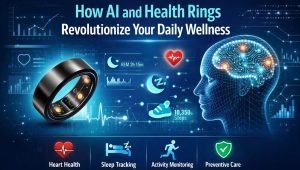
Smart rings have gained popularity for their discreet design. They track sleep, heart rate, and activity without the bulk of a watch.
Many users prefer them because they feel natural and do not interfere with daily tasks.
Smart Clothing
Clothing embedded with sensors is becoming more common. From shirts that monitor heart activity to socks that track foot pressure, these innovations bring health tracking closer to the body.
AI Powered Health Patches
These small patches stick to the skin and provide continuous monitoring. They are often used for medical purposes such as glucose tracking or cardiac observation.
Home Health Devices
Smart mirrors, connected scales, and AI powered blood pressure monitors are now part of many households. These devices combine with wearables to create a complete health ecosystem.
Benefits of Using AI Health Tracking Devices
The appeal of these devices goes beyond convenience. They offer real value in improving how people understand and manage their health.
Early Detection of Health Issues
By analyzing patterns over time, AI devices can catch subtle changes that might go unnoticed. Early detection often leads to better outcomes.
Better Lifestyle Decisions
When you see how your habits affect your health in real time, it becomes easier to make smarter choices. Whether it is adjusting your sleep schedule or improving your diet, the feedback is immediate.
Increased Motivation
Tracking progress can be highly motivating. AI adds a personal touch by setting achievable goals and celebrating milestones.
Convenience and Accessibility
Instead of frequent doctor visits for basic monitoring, users can keep track of their health from home. This saves time and makes healthcare more accessible.
Challenges and Concerns
Despite the benefits, AI powered health devices are not perfect. It is important to understand the limitations before relying on them completely.
Data Privacy Issues
Health data is highly sensitive. Users often worry about how their information is stored and who has access to it.
Companies are improving security, but it is still wise to review privacy settings and policies.
Accuracy Limitations
While devices are improving, they are not always 100 percent accurate. Factors like sensor placement or environmental conditions can affect readings.
They should be seen as supportive tools rather than replacements for professional medical advice.
Over Dependence
Relying too much on devices can lead to unnecessary anxiety. Constant notifications about health metrics might cause stress instead of reducing it.
Finding a balance is key.
How to Choose the Right Device in 2026
With so many options available, choosing the right device can feel overwhelming. A practical approach is to focus on your specific needs.
If fitness is your priority, a smartwatch with strong activity tracking may be enough. If you are managing a health condition, a specialized device like a health patch might be more suitable.
Battery life, comfort, compatibility with your phone, and data privacy policies should also be considered.
It is not about picking the most expensive device. It is about choosing one that fits naturally into your lifestyle.
The Future of AI in Health Tracking
Looking ahead, AI powered health devices are expected to become even more advanced. Researchers are working on non invasive sensors that can monitor blood glucose, hydration, and even mental health indicators.
Devices may soon predict illnesses days or weeks before symptoms appear. Integration with telemedicine platforms will likely become seamless, making remote healthcare more efficient.
There is also growing interest in emotional and mental health tracking. Devices could detect mood changes based on voice patterns, sleep quality, and physiological signals, offering support when it is needed most.
A Real World Perspective
For many people, these devices have already changed daily routines. Someone trying to improve sleep might start noticing patterns they never paid attention to before. Another person managing stress may learn exactly when their anxiety spikes during the day.
It is not just about numbers on a screen. It is about awareness.
And that awareness often leads to small changes that add up over time.
Final Thoughts
AI powered health tracking devices in 2026 represent a shift in how we approach personal wellness. They bring together data, intelligence, and everyday convenience in a way that feels practical rather than futuristic.
Still, they are tools, not replacements for human judgment or professional care. The real value comes from how you use the insights they provide.
When used wisely, these devices can help you understand your body better, make informed choices, and build healthier habits without overcomplicating your life.
The technology is impressive, but the real impact lies in the small, consistent improvements it encourages every day.