





Creating a Windows 12 ISO bootable USB is one of the most useful skills if you want to install, reinstall, or repair your PC. Whether your system is running slow, showing errors, or you simply want a fresh start, a bootable USB drive gives you full control.
In this complete guide, you will learn how to download the Windows 12 ISO file, create a bootable USB, and install Windows safely. This article is written in a simple and practical way so both beginners and experienced users can follow it easily.
What Is a Windows 12 Bootable USB
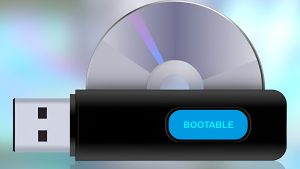
A bootable USB is a flash drive that contains the Windows installation files. Instead of installing Windows from inside your system, you boot your computer using the USB drive and install a fresh copy of Windows.
This method is especially useful when:
- Your PC is not starting properly
- You want to format your system completely
- You are upgrading to Windows 12
- You are building a new PC
Requirements Before You Start
Before creating a Windows 12 ISO bootable USB, make sure you have the following:
- A USB drive with at least 8 GB storage
- Windows 12 ISO file
- A working computer
- Stable internet connection
- Bootable USB creation tool like Rufus
Tip: Backup your USB data because it will be erased during the process.
Step 1: Download Windows 12 ISO File
First, you need the official Windows 12 ISO file.
How to Download
- Visit the official Microsoft website or trusted sources
- Look for Windows 12 ISO download section
- Select version and language
- Click on download
Make sure you download the latest version to avoid bugs and compatibility issues.
Step 2: Download Rufus Tool
Rufus is a free and lightweight tool that helps create bootable USB drives.
Steps
- Go to the official Rufus website
- Download the latest version
- Open the tool (no installation required)
Step 3: Create Windows 12 Bootable USB
Now comes the main part of the process.
Follow These Steps
- Insert your USB drive into the computer
- Open Rufus
- Select your USB device
- Click on “Select” and choose the Windows 12 ISO file
- Choose Partition Scheme
- GPT for modern systems (UEFI)
- MBR for older systems (BIOS)
- Keep file system as NTFS
- Click on Start
Rufus will begin creating the bootable USB. This may take 5 to 15 minutes depending on your system.
Step 4: Boot from USB Drive
After creating the bootable USB, the next step is to boot your system from it.
Steps to Boot
- Restart your computer
- Press Boot Menu key (F2, F12, ESC, DEL depending on your device)
- Select USB drive from the list
- Press Enter
Your system will now load Windows 12 setup.
Step 5: Install Windows 12
Once the setup screen appears, follow these steps:
- Select language and keyboard layout
- Click on Install Now
- Enter product key (or skip)
- Choose Windows edition
- Select Custom Install
- Choose the drive where you want to install Windows
- Click Next
The installation process will start and your PC will restart several times.
UEFI vs BIOS: Which One Should You Choose
Understanding this is important for successful installation.
UEFI (Recommended)
- Faster boot time
- Supports larger drives
- Better security
BIOS (Legacy)
- Used in older systems
- Limited features
If your system supports UEFI, always go with GPT partition scheme.
Common Errors and Fixes
Sometimes users face issues while creating or using a bootable USB. Here are some common problems and solutions:
USB Not Showing in Boot Menu
- Try another USB port
- Enable USB boot in BIOS settings
ISO File Not Working
- Re-download ISO from trusted source
Installation Stuck
- Check USB health
- Use another tool or USB
Disk Partition Error
- Delete existing partitions and create new ones
Best Practices for Safe Installation
- Always backup important data
- Use original ISO files
- Avoid interrupting the installation
- Keep your laptop plugged in during installation
Why Use Bootable USB Instead of DVD
Bootable USB drives are now the standard method because:
- Faster installation
- Portable and reusable
- Works on modern laptops without DVD drives
- Easy to update
Tools You Can Use Instead of Rufus
Although Rufus is the most popular tool, here are some alternatives:
- Windows Media Creation Tool
- Balena Etcher
- UNetbootin
Each tool has its own features, but Rufus remains the fastest and most reliable.
Final Thoughts
Creating a Windows 12 ISO bootable USB is not as complicated as it sounds. With the right tools and steps, you can easily install or reinstall Windows on your PC without any professional help.
This method gives you full control over your system and ensures a clean installation, which improves performance and stability. Whether you are upgrading your system or fixing errors, a bootable USB is an essential tool every computer user should have.
FAQs
Is Windows 12 officially available?
As of now, Windows 12 details are still emerging. Always check official Microsoft sources for updates.
Can I use the same USB again?
Yes, you can reuse it by formatting and creating a new bootable drive.
Is Rufus safe?
Yes, it is a trusted and widely used tool.
Do I need a product key?
You can install without it, but activation will be required later.