








The idea of machines making decisions on their own once felt like something pulled straight out of science fiction. Fast forward to 2026, and autonomous technology is no longer a distant concept. It is here, quietly shaping how people live, work, travel, and even think about the future.
From cars that can drive themselves through busy city streets to delivery systems that operate without human touch, autonomy is becoming a normal part of everyday life. What makes this shift interesting is not just the technology itself, but how seamlessly it is blending into routines without demanding much attention.
What Autonomous Technology Really Means Today
At its core, autonomous technology refers to systems that can perform tasks without constant human control. These systems rely on artificial intelligence, machine learning, sensors, and real time data processing to make decisions.
In 2026, autonomy is no longer limited to experimental labs. It exists in practical, real world applications such as:
Self driving vehicles navigating highways and urban roads
Warehouse robots organizing inventory with precision
Smart home systems adjusting lighting, temperature, and security automatically
Healthcare tools assisting doctors in diagnosis and monitoring patients
The key difference between earlier automation and modern autonomy is decision making. Today’s systems are not just following pre programmed rules. They are learning, adapting, and improving over time.
The Rapid Growth of Self Driving Vehicles
One of the most visible examples of autonomous technology is the rise of self driving vehicles. While fully driverless cars are still evolving, 2026 has seen significant progress.
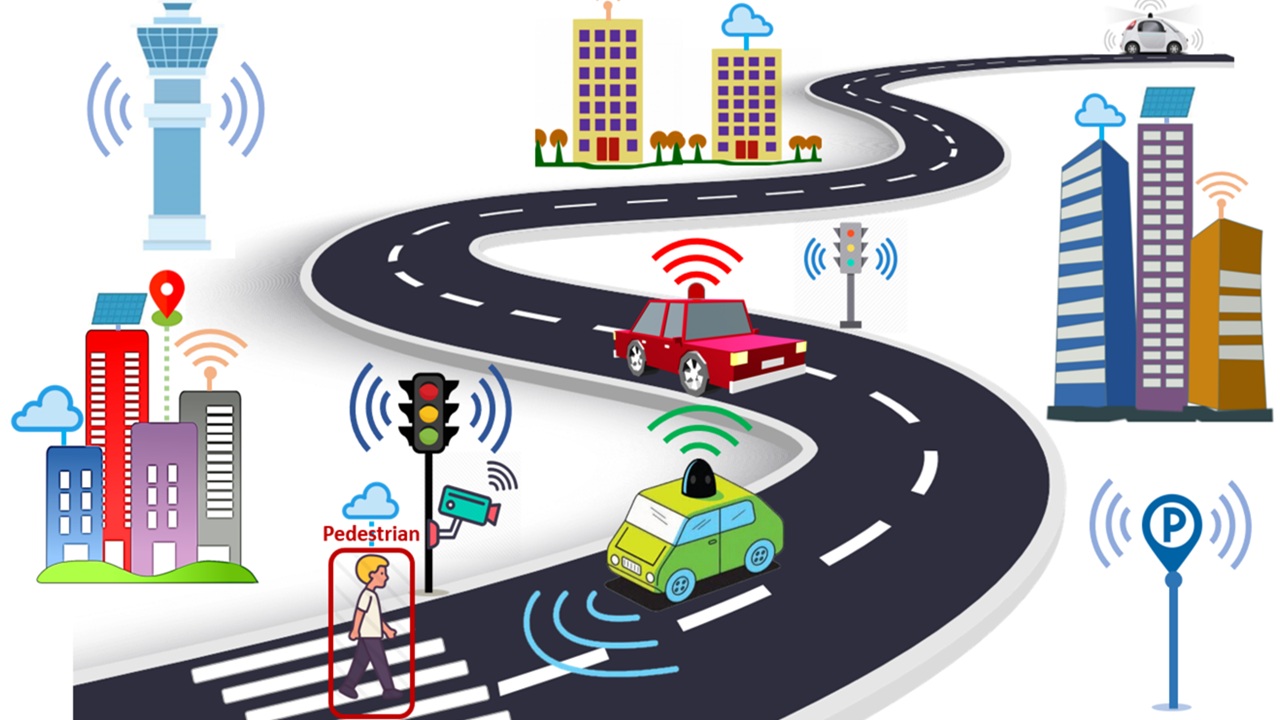
Many cities now support semi autonomous or fully autonomous ride services. These vehicles use a combination of cameras, radar, and advanced AI algorithms to understand their surroundings. They can detect pedestrians, interpret traffic signals, and respond to unexpected situations.
For everyday users, this shift is more practical than revolutionary. Imagine commuting without worrying about traffic stress or long drives after a tiring day. That convenience is slowly becoming reality.
However, challenges still exist. Road conditions, unpredictable human behavior, and regulatory differences across regions continue to slow full adoption. Even so, the direction is clear. Autonomous driving is no longer a question of if, but when it becomes standard.
Automation in Everyday Life
Beyond transportation, autonomous technology is quietly entering homes and workplaces. Many people already use devices that operate with a level of independence, often without realizing it.
Smart assistants can manage schedules, control appliances, and even anticipate user needs based on past behavior. In homes, cleaning robots and security systems function with minimal input. These are small examples, but they reflect a larger trend.
In workplaces, especially in industries like manufacturing and logistics, autonomous systems are improving efficiency. Machines can monitor production lines, detect faults, and adjust operations without waiting for human instructions.
This shift does not just increase speed. It reduces errors and allows human workers to focus on tasks that require creativity and critical thinking.
The Role of Artificial Intelligence
Artificial intelligence is the backbone of autonomous technology. Without AI, machines would not be able to interpret data or make decisions.
In 2026, AI systems are more advanced and accessible than ever. They can process vast amounts of information in seconds, identify patterns, and predict outcomes with impressive accuracy.
For example, in healthcare, AI powered systems assist doctors by analyzing medical images and patient data. In agriculture, autonomous machines monitor crops and optimize irrigation. These applications show how AI is not replacing humans but supporting them in meaningful ways.
What stands out is how AI is becoming less visible. Instead of being a separate tool, it is embedded into systems, working in the background to improve efficiency.
Robotics and Physical Autonomy
While software plays a major role, physical robotics is equally important in the rise of autonomy. Robots are no longer limited to factory floors. They are entering public spaces, hospitals, and even homes.
Delivery robots are becoming a common sight in some urban areas. These machines can navigate sidewalks, avoid obstacles, and deliver packages without human intervention.
In healthcare, robots assist in surgeries and patient care. They help with precision tasks that require steady movement and accuracy. For patients, this often means better outcomes and faster recovery times.
The interesting part is how these robots are designed to interact with humans. They are becoming more intuitive, responding to voice commands and adapting to human behavior.
Economic Impact of Autonomous Systems
The rise of autonomous technology is not just a technical shift. It is an economic one.
Businesses are investing heavily in automation to reduce costs and improve efficiency. Autonomous systems can operate continuously without fatigue, which increases productivity.
At the same time, this shift is changing job roles. Some tasks that were once performed manually are now handled by machines. However, new opportunities are also emerging in areas like AI development, system maintenance, and data analysis.
For individuals, adapting to this change is becoming important. Skills related to technology, problem solving, and creativity are gaining value in a world where routine tasks are increasingly automated.
Challenges and Ethical Questions
Despite its benefits, autonomous technology comes with challenges that cannot be ignored.
One major concern is safety. Even the most advanced systems can make mistakes. Ensuring that autonomous systems operate reliably in all conditions remains a priority.
Privacy is another issue. Autonomous systems often rely on large amounts of data to function effectively. This raises questions about how data is collected, stored, and used.
There is also the question of accountability. If an autonomous system makes a wrong decision, who is responsible The developer The user Or the system itself These questions are still being debated.
Ethical considerations also play a role, especially in areas like healthcare and transportation. Decisions made by machines can have serious consequences, which makes transparency and trust essential.
How Governments and Regulations Are Evolving
Governments around the world are working to keep up with the rapid pace of technological change. Regulations are being introduced to ensure safety and accountability.
In 2026, many regions have established guidelines for testing and deploying autonomous vehicles. Similar frameworks are being developed for other applications of autonomous technology.
The challenge lies in balancing innovation with safety. Too many restrictions can slow progress, while too few can lead to risks. Finding the right balance is an ongoing process.
Public acceptance also plays a role. People need to feel comfortable with autonomous systems before they become widely adopted. Clear regulations and transparent practices help build that trust.
The Human Side of Automation
While discussions often focus on technology, the human experience is just as important.
For many people, the idea of machines making decisions can feel unsettling. Trust does not come instantly. It builds over time through consistent performance and positive experiences.
At the same time, autonomous technology can improve quality of life. It can reduce stress, save time, and provide support in areas where human resources are limited.
For example, elderly individuals can benefit from smart systems that monitor health and provide assistance when needed. In busy urban environments, autonomous transportation can make commuting more efficient.
These everyday benefits are what drive acceptance and adoption.
What the Future Holds Beyond 2026
Looking ahead, autonomous technology is expected to become even more integrated into daily life.
Advancements in AI and sensor technology will make systems more reliable and efficient. Connectivity through faster networks will enable real time communication between devices.
One possible direction is the development of fully autonomous cities, where transportation, infrastructure, and services operate in a coordinated manner. While this may take time, the foundation is already being built.
Another area of growth is personalized automation. Systems will not just operate independently, but also adapt to individual preferences and habits. This could make technology feel more human centered.
Final Thoughts
The rise of autonomous technology in 2026 is not about replacing humans. It is about redefining how tasks are performed and how systems interact with people.
What makes this moment unique is how natural the transition feels. Instead of a sudden shift, autonomy is gradually becoming part of everyday life.
For anyone paying attention, it is clear that this is only the beginning. The real impact of autonomous technology will unfold over the coming years, shaping industries, economies, and personal experiences in ways that are still hard to fully imagine.
What matters now is understanding the change, adapting to it, and using it in a way that benefits both individuals and society as a whole.