








Starting a fitness journey often feels harder than the workouts themselves. Many beginners struggle not because they lack motivation, but because they feel overwhelmed. There is too much advice, too many workout styles, and unrealistic expectations everywhere. The truth is, you do not need a complicated plan to get started. What you need is a simple and consistent routine that fits your daily life.
This guide is designed to help beginners build a daily exercise routine that is practical, effective, and easy to follow. You do not need a gym membership or fancy equipment. You only need a little time, a bit of space, and the willingness to begin.
Why a Simple Routine Works Best

When you are new to exercise, your body is still adapting. Jumping into intense workouts can lead to burnout, soreness, or even injury. A simple routine helps your body adjust gradually while building strength and endurance over time.
Consistency matters more than intensity in the beginning. A routine that you can stick to every day will always give better results than a complex plan you abandon after a week.
There is also a psychological benefit. Completing a manageable routine each day builds confidence. That small daily win creates momentum, and over time, that momentum becomes a habit.
How Much Time Do You Really Need
One of the biggest myths about fitness is that you need hours of exercise every day. In reality, even 20 to 30 minutes of focused activity can make a noticeable difference.
For beginners, a daily routine of 25 minutes is more than enough to improve energy levels, support weight management, and build a solid fitness foundation.
If your schedule is tight, you can even split your workout into shorter sessions. A quick morning stretch and a short evening workout still count.
Warm Up Before You Begin
Skipping a warm up is one of the most common mistakes beginners make. A proper warm up prepares your muscles, increases blood flow, and reduces the risk of injury.
Start with 5 minutes of light activity such as:
Marching in place
Arm circles
Neck rotations
Gentle jumping jacks
Slow squats
You should feel your body loosening up, not exhausted. The goal is to wake your body up, not tire it out.
The Ideal Daily Exercise Routine for Beginners
This routine is designed to target your entire body without putting too much stress on any single muscle group. It balances strength, flexibility, and light cardio.
1. Bodyweight Squats
Squats are one of the best exercises for beginners. They strengthen your legs, improve balance, and support daily movements like sitting and standing.
How to do it:
Stand with your feet shoulder width apart. Lower your body as if you are sitting on a chair. Keep your back straight and knees aligned with your toes. Return to standing.
Start with 10 to 12 repetitions.
2. Push Ups
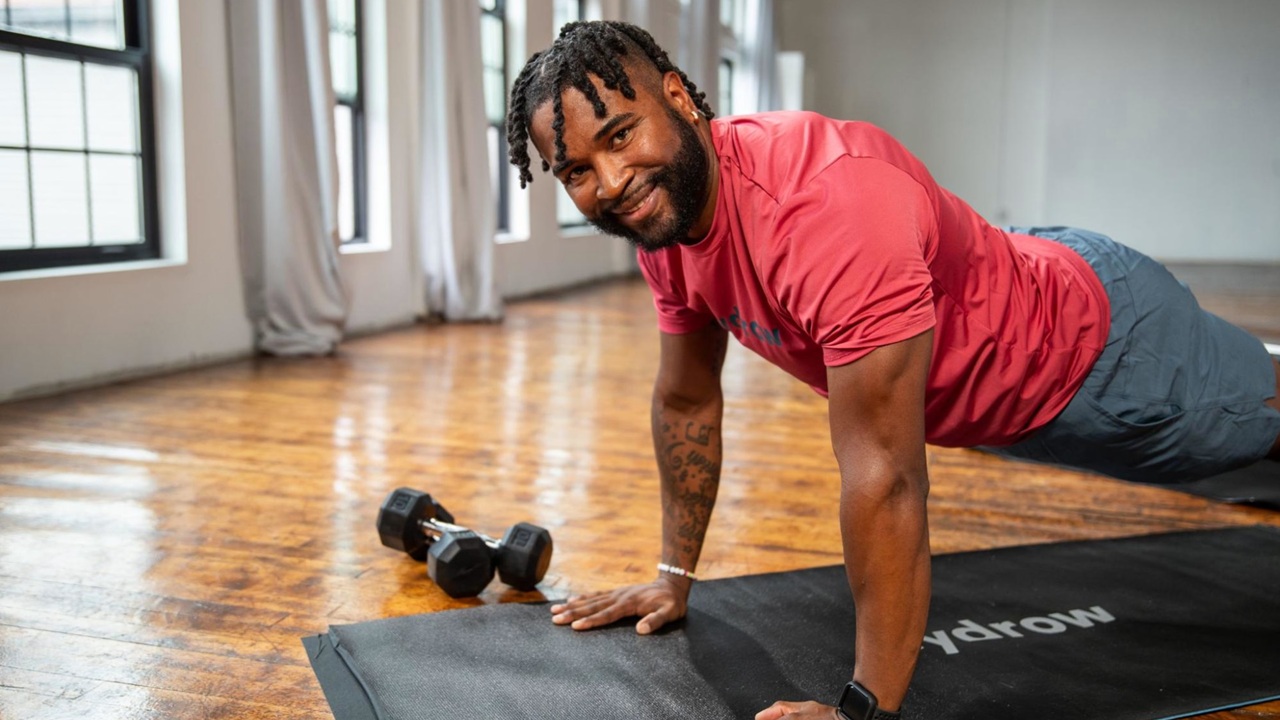
Push ups help build upper body strength and core stability. If standard push ups feel too difficult, you can modify them by placing your knees on the ground.
How to do it:
Place your hands slightly wider than shoulder width. Lower your body until your chest is close to the ground, then push back up.
Start with 8 to 10 repetitions.
3. Plank Hold
The plank is excellent for strengthening your core, which supports your posture and overall stability.
How to do it:
Hold your body in a straight line from head to heels while resting on your forearms and toes.
Start by holding for 15 to 20 seconds and gradually increase over time.
4. Walking or Light Cardio
Cardio is essential for heart health and endurance. Walking is one of the easiest and most effective options for beginners.
You can walk indoors, outdoors, or even in place. Aim for 10 to 15 minutes at a comfortable pace.
5. Glute Bridges
This exercise strengthens your lower back and glutes, which are often weak due to long hours of sitting.
How to do it:
Lie on your back with knees bent and feet flat on the floor. Lift your hips toward the ceiling, then slowly lower them back down.
Start with 10 to 12 repetitions.
6. Stretching
Finish your routine with 5 minutes of stretching. Focus on your legs, arms, and back. This helps improve flexibility and reduces muscle tightness.
Sample Daily Schedule
If you are unsure how to organize your workout, here is a simple structure you can follow:
Warm up for 5 minutes
Strength exercises for 15 minutes
Light cardio for 10 minutes
Stretching for 5 minutes
This routine fits easily into your day and can be adjusted based on your energy level.
Tips to Stay Consistent
Starting is easy. Staying consistent is where most people struggle. Here are a few practical tips to help you stay on track.
Set a fixed time each day for your workout. Treat it like an important appointment.
Start small and increase gradually. Do not rush the process.
Track your progress. Even small improvements matter.
Wear comfortable clothes that make you feel ready to move.
Keep your routine simple so it does not feel like a burden.
It is also helpful to remind yourself why you started. Whether it is better health, more energy, or improved confidence, keeping that goal in mind can keep you motivated.
Common Mistakes Beginners Should Avoid
Many beginners make the same mistakes that slow down progress or lead to frustration.
Trying to do too much too soon is one of the biggest issues. Your body needs time to adapt. Overtraining can lead to fatigue and injuries.
Another common mistake is skipping rest. Even a simple routine requires recovery. If you feel extremely sore, it is okay to take a lighter day.
Poor form is another problem. Doing exercises incorrectly reduces their effectiveness and increases the risk of injury. It is better to do fewer repetitions with proper form than more with poor technique.
When Will You Start Seeing Results
Results do not happen overnight, but small changes can appear sooner than you think. Within a couple of weeks, you may notice improved energy, better mood, and increased stamina.
Physical changes such as strength and muscle tone usually become noticeable after a few weeks of consistent effort.
The key is to stay patient. Fitness is not a quick fix. It is a long term investment in your health.
Adapting the Routine Over Time
As your body gets stronger, you can gradually make your routine more challenging. You can increase repetitions, extend your workout time, or try slightly more advanced variations of each exercise.
You can also add new exercises to keep things interesting. The goal is to continue progressing without overwhelming yourself.
Making Exercise a Part of Your Lifestyle
The most effective routine is the one you can maintain for months and years. Instead of viewing exercise as a task, try to make it part of your daily lifestyle.
Simple changes like taking the stairs, walking more, or stretching during breaks can complement your routine.
Over time, these small habits create a healthier and more active life without feeling forced.
Final Thoughts
Starting a daily exercise routine does not require perfection. It only requires a decision to begin. A simple and effective plan can help you build strength, improve your health, and boost your confidence.
You do not need to wait for the perfect moment. You can start today with just a few minutes of movement. Stay consistent, listen to your body, and allow yourself to grow at your own pace.