








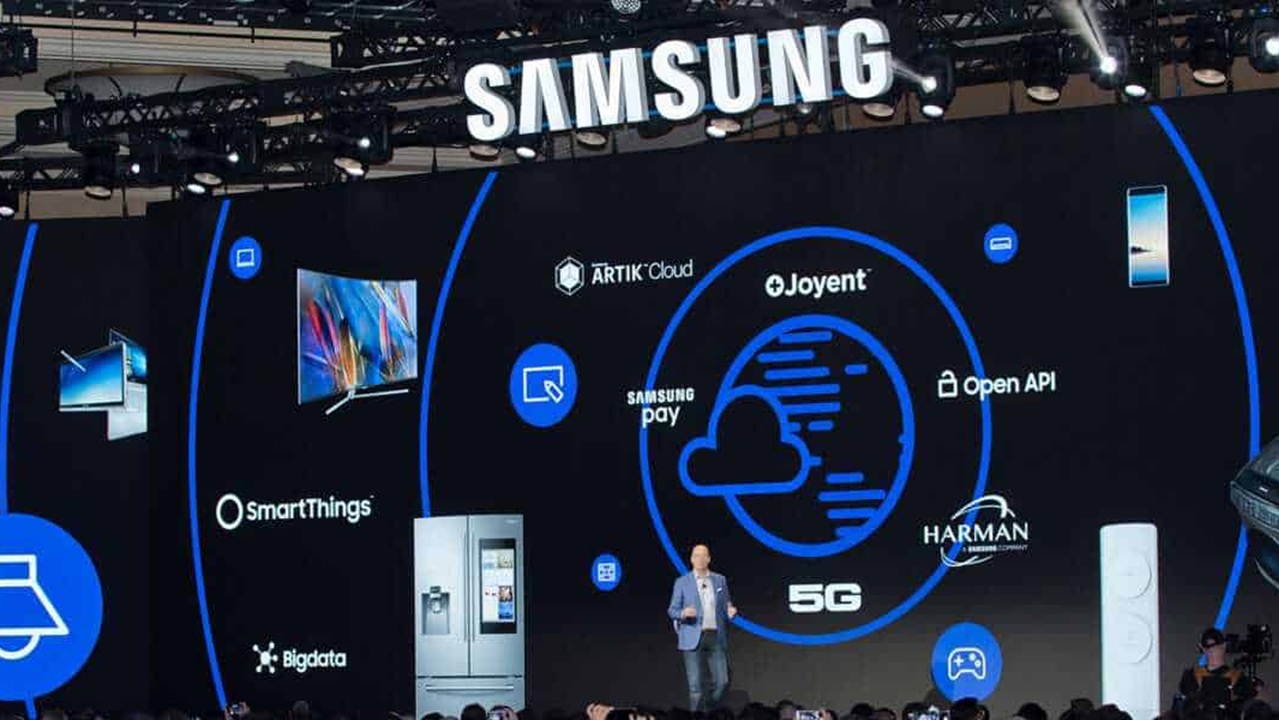
The idea of a fully connected home once felt like something reserved for science fiction. Lights that respond to your presence, appliances that anticipate your needs, and devices that communicate without effort sounded futuristic just a decade ago. Today, Samsung is turning that vision into a practical reality through its IoT ecosystem.
At the center of this transformation is a simple promise: make everyday living easier, smarter, and more efficient without overwhelming users with complexity. Samsung’s approach to IoT is not just about adding smart features to devices. It is about building an ecosystem where everything works together in a way that feels natural in real life.
Understanding the Samsung IoT Ecosystem
Samsung’s IoT ecosystem revolves around SmartThings, a platform that connects a wide range of devices into one unified system. Instead of juggling multiple apps for different products, users can control everything from a single interface.
This ecosystem includes smartphones, smart TVs, refrigerators, washing machines, air conditioners, security cameras, lighting systems, and even third party devices. The goal is to create a network where devices are aware of each other and respond intelligently to your routines.
For example, your smartphone can communicate with your air conditioner to cool the room before you arrive home. Your smart TV can suggest content based on your mood or schedule. Your washing machine can notify you when the laundry is done, even if you are not in the same room.
These are not isolated features. They are part of a broader system designed to make life smoother.
SmartThings: The Brain Behind the Experience
SmartThings acts as the control center of Samsung’s IoT ecosystem. It connects devices, automates tasks, and allows users to manage everything through a single app.
What makes SmartThings stand out is its flexibility. It supports a wide range of devices, not just Samsung products. This means you can integrate lights, sensors, and gadgets from other brands into the same ecosystem.
The app allows you to create routines based on your daily habits. For instance, a “Good Morning” routine might turn on the lights, start the coffee machine, and display the weather on your smart display. A “Good Night” routine could lock doors, turn off appliances, and adjust the thermostat.
Over time, the system learns your preferences and adapts accordingly. This gradual personalization makes the experience feel less like technology and more like a helpful assistant.
Real Life Use Cases That Make a Difference
Many smart home concepts sound impressive in theory but fail to deliver meaningful value in daily life. Samsung’s IoT ecosystem focuses on practical benefits that users can actually feel.
One of the most noticeable advantages is energy efficiency. Smart appliances can monitor usage and suggest ways to reduce power consumption. For example, your air conditioner can adjust its settings based on room occupancy, and your refrigerator can optimize cooling based on usage patterns.
Another benefit is convenience. Imagine leaving your home and wondering if you turned off the iron. Instead of going back, you can check and control it from your phone. This level of control reduces small but frequent stresses in everyday life.
Safety is another important aspect. Smart cameras, motion sensors, and door locks can be monitored remotely. You can receive instant alerts if something unusual happens, giving you peace of mind whether you are at work or traveling.
Seamless Integration Across Devices
One of Samsung’s strengths is its wide product ecosystem. Unlike many competitors, Samsung manufactures everything from smartphones to home appliances. This allows for deeper integration between devices.
For example, your Samsung Galaxy phone can act as a central controller for your entire home. Notifications from appliances appear directly on your phone, and you can manage everything without switching between platforms.
Smart TVs also play a role in this ecosystem. They can display information from other devices, such as security camera feeds or washing machine status. This turns the TV into more than just an entertainment device. It becomes an information hub for your home.
Even wearables like smartwatches are part of the experience. You can control devices, receive alerts, and monitor your home directly from your wrist.
AI and Automation in Everyday Living
Samsung is increasingly integrating AI into its IoT ecosystem. This adds another layer of intelligence to connected devices.
Instead of relying only on manual commands, devices can make decisions based on context. For example, your system might learn that you prefer dim lighting in the evening and automatically adjust without being asked.
AI also helps in predictive maintenance. Appliances can detect potential issues before they become serious problems. A washing machine might alert you about a clogged filter, or an air conditioner might suggest servicing based on performance data.
These small interventions can save time, money, and frustration in the long run.
Challenges and Considerations
While the Samsung IoT ecosystem offers many benefits, it is not without challenges.
Compatibility can still be an issue, especially with older devices or products from brands that do not fully support SmartThings. Although Samsung is working toward broader compatibility, users may need to check device support before making purchases.
Privacy and data security are also important concerns. Connected devices collect and share data to function effectively. Samsung has implemented security measures, but users should still be mindful of settings and permissions.
Another consideration is the learning curve. For users who are new to smart home technology, setting up routines and automations can take some time. However, once configured, the system becomes much easier to manage.
The Future of Smart Living with Samsung
Samsung continues to expand its IoT ecosystem with new devices, features, and partnerships. The company is also focusing on open standards, making it easier for different brands to work together.
Technologies like Matter are expected to improve compatibility across ecosystems, reducing the fragmentation that currently exists in the smart home space. Samsung’s involvement in these initiatives suggests a future where smart living becomes more accessible and less complicated.
As AI continues to evolve, the level of automation will increase. Homes will not just respond to commands but anticipate needs in a way that feels intuitive.
A Human Perspective on Smart Living
Despite all the technology, the true value of Samsung’s IoT ecosystem lies in how it fits into real life. It is not about having the most advanced gadgets. It is about reducing friction in daily routines.
For a working professional, it might mean coming home to a comfortable environment without adjusting anything manually. For a family, it could mean better safety and coordination between devices. For older adults, it might offer added convenience and peace of mind.
Smart living is not a one size fits all concept. It adapts to individual lifestyles, which is what makes Samsung’s approach stand out.
Final Thoughts
Samsung’s IoT ecosystem is a strong example of how technology can move beyond novelty and become genuinely useful. By focusing on integration, automation, and user experience, Samsung is shaping a version of smart living that feels practical rather than overwhelming.
As more devices become connected and AI becomes more capable, the line between technology and daily life will continue to blur. Samsung is clearly positioning itself at the center of that shift, offering a glimpse into a future where homes are not just smart, but truly responsive to the people who live in them.